
Bees fly between 90,000 and 100,000 miles to make a pound of honey and they consume between 8lbs and 10lbs of honey to make a single pound of wax. Wax is therefore very precious and must not be wasted.
It is important that rendering does not waste it or damage the quality. Wax must always be heated over water as it is highly flammable.
This first video shows how to reclaim wax from equipment during cleaning and how to wash it in rain water.
Throughout the beekeeping year, its possible to accumulate quite a lot of wax from different sources. There’s the brace comb we remove during hive inspections, comb we’re replacing from brood boxes, cappings from honey processing and the wax we scrape from equipment when we’re cleaning it. Louise’s video also shows how to avoid wasting time whilst collecting all these little bits.
It’s a good idea to store wax in sealed containers until you’re ready to process it. If left in the open, wax will attract the attention of bees and wasps and you run the risk of spreading disease between colonies. A large plastic box with a lid is ideal and if you have space enough, separate containers allow you to grade the wax according to purity. It just makes processing it easier for yourself.
COLLECTING COMB
Washing in rain water
Before you start rendering, soak your wax in cold rain water to get rid of as much honey and debris as possible. Louise’s first video demonstrates wax being soaked multiple times to remove debris and to break it down.

Brood Comb. It’s recommended beekeepers undertake shook swarms, Bailey comb changes (for weaker colonies) or replace a third of brood frames each year to prevent the spread of diseases which can be harboured in older comb. Brood wax tends to be darker and harder to process.
Cappings
Wax from cappings is a by-product of the honey extraction process. It is usually light in colour, has little debris and is of the finest quality. It can be used for cosmetics and candles.
NB Once honey is harvested, the cappings can be returned to the hive from whence they came. The bees will remove honey residue leaving a very pure wax for harvesting. Spread the cappings out over the crown board.
Brace comb and scrapings from equipment
These tend to be fairly clean but scrapings are sometimes mixed with propolis.
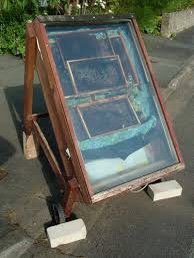
Solar Wax Extractor
A solar extractor is the easiest and most environmentally-friendly way to start the rendering process. It uses the Sun’s heat to gently and slowly melt the wax producing the cleanest results.
The wax is placed under glass in a stainless steel box. As the wax melts, it runs into a reservoir via a filter. If the box gets hot enough, it will also sterilize frames for reuse. Take care; if the Sun is too hot you run the risk of overheating the wax, even setting it alight.
HOT WATER EXTRACTION (Rendering)
Louise’s second video shows how to boil wax over rain water, then, six minutes into the video, how to filter your wax through medical grade lint.
Always use rainwater. Tap water leaves a residue on the wax and can make it spongy.
This is the most common method used by beekeepers. It’s cheap, easy to monitor and requires no specialist equipment. Use Stainless Steel utensils if possible as other materials may taint your wax.
Caution: NEVER heat wax directly – make certain to always have water in the saucepan!
Fill the pan ¼ full of rainwater, put the wax on top and bring to a rolling boil for 10 minutes or so. Allow the pot to cool slowly. The wax will float to the top of the pan and when fully cool, forms a cake which can be easily removed. Any debris still on the underside of the cake can be scraped off as shown in Louise’s video.
A maslin or jam pan is best for this as you need to bring the wax to a rolling boil. Jam pans have a wider surface area at the top of the pan, making it much less likely to boil over. Remeber – wax is highly flammable. There will be much less smell if you break the wax down by soaking in buckets of rainwater first as per the first video, Let it cool completely. Scrape the debris from the bottom and repeat if necessary.
Further Rendering and Purifying
You may need to repeatedly render the wax to remove residual debris before finally filtering. Continue to boil and wash until you achieve the desired quality. You can reduce the debris trapped in wax by cooling slowly.
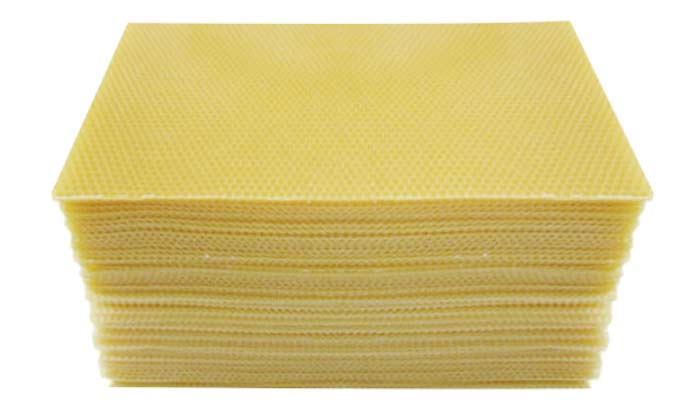
Swapping wax for foundation
You can swap your washed wax for foundation at your beekeeping suppliers. They weigh it, take a proportion for processing and exchange your wax for new foundation. Meridian purchases wax from Kemble (their wax seems especially clean) although other suppliers like Thorne’s also operate similar services.
 Meridian Beekeepers’ Association
Looking forward to trying this myself this season.
LikeLike