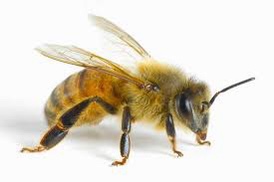
For many people, the buzzing of a bee elicits panic. But the next time you hear that low buzzing sound, look a bit closer, that bee has navigated to that particular spot for a reason using a fascinating set of tools.
She may be using her sensitive olfactory organs, which provide a 3D scent map of her surroundings. She may be following visual landmarks or instructions relayed by a hive-mate. She may even be tracking electrostatic traces left on flowers by other bees.
The latest research will challenge your idea of a bee’s place in the world–and perhaps our own and reminds us that the world is more complex than our senses can tell us.
Although their brains are incredibly small–just one million neurons compared to humans’ 100 billion– bees have remarkable abilities to navigate, learn, communicate, and remember.
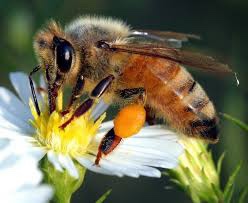
In his book What a Bee Knows, Stephen Buchmann explores a bee’s way of seeing the world and introduces the scientists who have conducted this painstaking research. The book explores the thoughts, memories and even the personalities of bees and invites us to follow bees’ mysterious paths and experience their world.
Stephen Buchmann is a pollination ecologist specializing in bees and their flowers. Buchmann is a professor with the departments of Entomology and of Ecology and Evolutionary Biology at the University of Arizona, a fellow of the Linnean Society of London and has published nearly 200 peer-reviewed scientific papers and ten books. The Guardian
 Meridian Beekeepers’ Association